The Donohoe Coal & Coke Co. developed a coal mine, coke works, and company patch town at Greenwald in 1898. In 1906, The Black Diamond reported that the Pittsburgh seam mine was entered through a drift portal, daily production exceeded 2,000 tons, approximately 400 men worked at Greenwald, and every coke oven had been in continuous operation for "the past three years."
In 1908, Donohoe implemented a Welfare Plan whereby the families drinking the least beer and liquor, as determined by company store receipts, would receive the best housing, regular painting of the houses, fruit trees and grass sod for yards, and flower and garden seeds. Apparently, excessive alcoholic consumption among some immigrant families was considered a problem by the company, so it sought to address it through these incentives. At any rate, the Greenwald Mine closed in 1923.
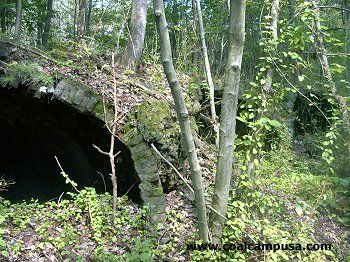
Sep. 2003 image by author
Ruins of the beehive coke ovens.
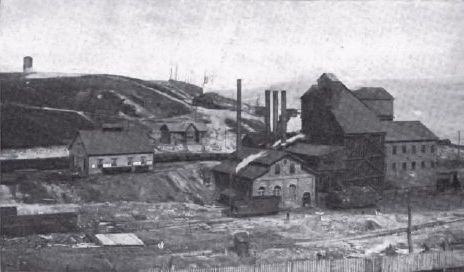
Circa 1906 image from The Black Diamond via Google Books
Greenwald coal tipple and colliery buildings (boiler house, engine house, etc.).
Image courtesy Westmoreland History magazine
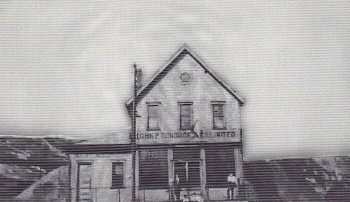
The coal company store at Greenwald operated as "John P. Donohoe Unlimited." Pennsylvania law prohibited coal companies from operating their own stores, so they circumvented that law by setting up separate companies to handle their retail business. Pittsburgh Terminal Railroad and Coal used "Mutual Supply Co.," H.C. Frick Coal & Coke used "Union Supply Co.," Pittsburgh Coal used "Federal Supply Co.," and apparently Donohoe Coal Co. used "John P. Donohoe Unlimited."
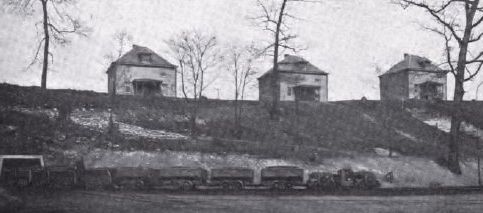
Circa 1906 image from The Black Diamond via Google Books
A trip of mine cars coming to or from the Greenwald coal mine, with a few company houses in the background. This is probably the best type of housing that the company offered, and also the homes that the most temperate families could occupy.
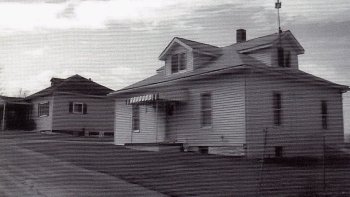
Probably early-2000s image courtesy of Westmoreland History magazine
These were probably the highest-quality company houses at Greenwald, and they were probably for management. There were also small shanties and the ubiquitous duplex houses, as well, which were assigned to families lower in the company's welfare-plan hierarchy.
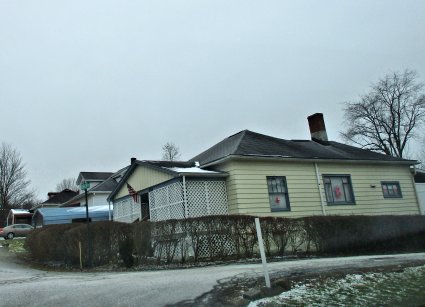
2019 image by author
Some of the remaining management houses at Greenwald.
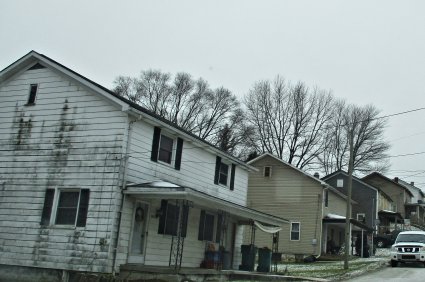
2019 image by author
Greenwald also features these two-family duplex homes found in coal company towns all over southwestern Pennsylvania.
Microsoft Virtual Earth image
Aerial view of the remnant of the Greenwald patch, with a remnant of the mine site or ash dump being the gray area in the bottom left of the photo.