TAMS

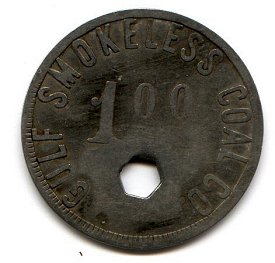
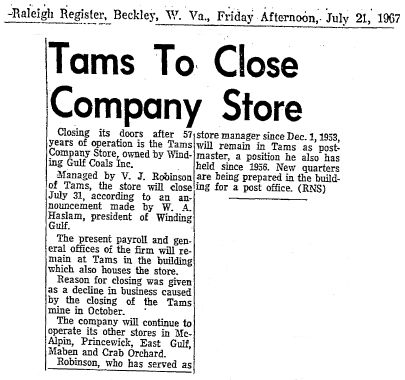
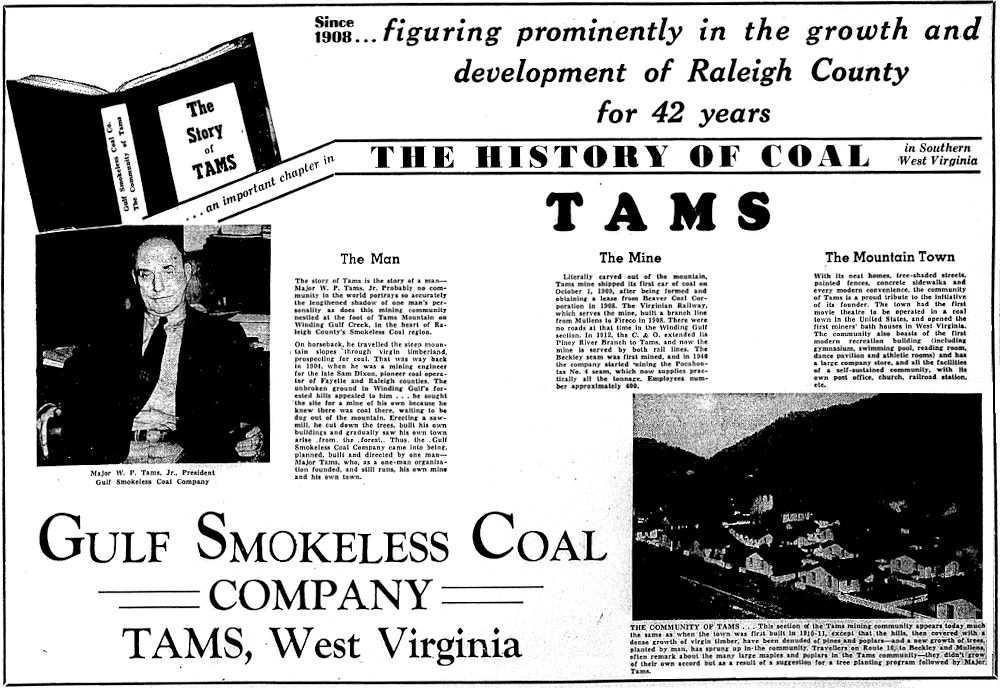
Tams was opened by Major Tams' company, The Gulf Smokeless Coal Co., on Winding Gulf Creek in 1909. This was a major mining town with a large tipple, an aerial tramway for refuse, and a theater, store, a Catholic Church for the immigrant miners, and Baptist Churches for white and black congregations. The mine was in the thick Beckley seam. This mine worked out in 1941 and operations moved down to the Pocahontas No. 4 seam. In the mid 1950s the Gulf Smokeless Coal Company, Winding Gulf Collaries, and McAlpin Coal Company were consolidated into Winding Gulf Coals, Inc. I believe this concern was absorbed by Westmoreland Coal Co., who had their regional headquarters here in the 1970s and '80s. The mine must have finally closed in the 1970s or 80s. Then the town began to return to nature. All of the company houses are gone now, including the one where Major Tams lived until he died. He wrote his autobiography, The Smokeless Coal Fields of West Virginia, and Playboy magazine came to Tams to interview him as the last surviving coal baron just before his death in the late 1970s. One chapter in the book covers the operations of the Gulf Smokeless Coal Company. This is a rare example of a detailed documentation of the formation of a coal company/mine/camp being available to the general public. In it Tams covers such topics as how he paid workers a wage higher than the unionized miners were receiving, how his company paid a dividend to investors every year, even during the 1930s depression, and how he constructed the town so that "The houses above the tipple were occupied by the Negroes, the section below the tipple by white Americans, and still further down a section for the foregin miners."
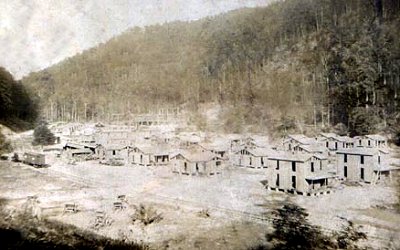
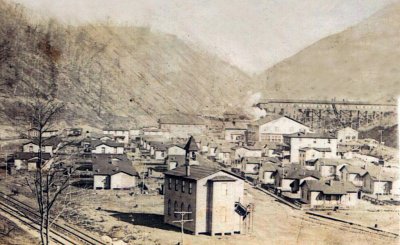
James was nice enough to send in this photograph of the Tams mining camp being constructed. James writes, "I was raised in Tams and then moved to Ury (Cooktown) ... First I remember living at Tams in the lower section, on Hunk Hill. I heard that was where the people from other countries lived, and where the Black people lived was at upper Tams and we called it colored town. I went to 1st through 3rd grade at Tams Elementary. It was a really great school. We moved from Hunk Hill to behind the Doctors office. Me my older brother and younger brother - we was normal kids. I think we got into all the trouble that kids do get into. We played at the school play ground, and use to love to get a man named Mike ... to chase us. He was always getting on to us kids, cause we would always pick on him. Rumor was he burned the Catholic church down - he knocked over a kerosene lantern. It was an accident, and we would always tell him God was going to get him for it. I know that was wrong, but as kids we thought nothing about hurting someone's feelings. Hey, we was just playing. Our town barber was Mike Spanalli. My grandfather would take all us kids there in the summer to get a hair cut. Mike would ask us how we wanted it to be cut. And no matter how we told him we wanted it cut, he would give us a crew cut. We would ask him why he did that, because we would be totally mad because of the haircut. He would just say in an Italian accent, "That's the way Mr. a-Homer Cook a-wanted it cutta". My grandfather worked for Mr. Tams for years in the coal mines. Mr. Tams was a great man. He would see us walking the streets and or playing around, would always ask us how we was doing and always asked about our grandfather and grandmother. I remember the Company store, always we would find pop bottles and sell them to the store and then go back later and steal them back and resale them. In the old bath house we would wait till the miners went to work and no one was around and go in and plug up the drains, turn on few of the showers, and soap up the floor and slide on the floor. We had a ball doing that. Can remember my Aunt saying we was going to get athletes butt sliding on the bath house floor."


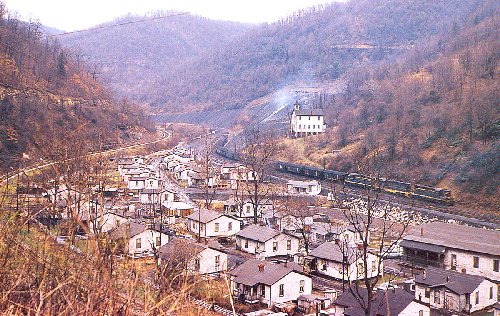
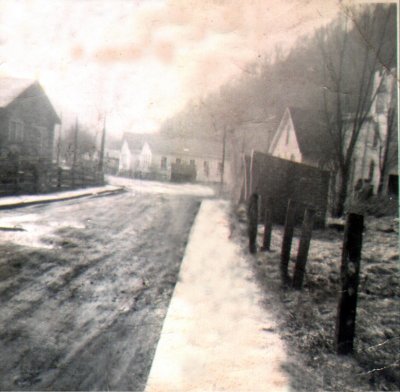
James wrote of this photo, "If you like here is another picture of Tams. The Baptist Church is the tall white building on the right. The one building looking building straight ahead is the old Tams School. Facing it the room on the right was one big room with a stage on it. I can remember putting on a play there. The Catholic Church use to be in the lot in across the street from the school. The house on the left is where Mrs. Adams lived. We always thought it was funny that we had sidewalks, but dirt roads."

Another picture from James H., looking up the Gulf toward Stotesbury. In the foreground is the Baptist Church.


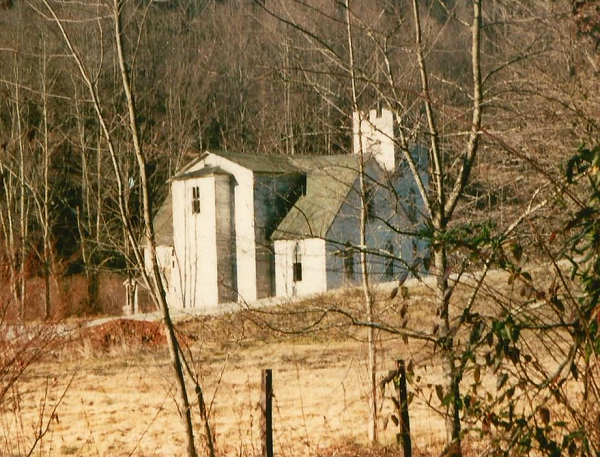
By the time this photo was taken in 1988 the Baptist church had been enlarged and then abandoned. (Photo courtesy Mick Vest)


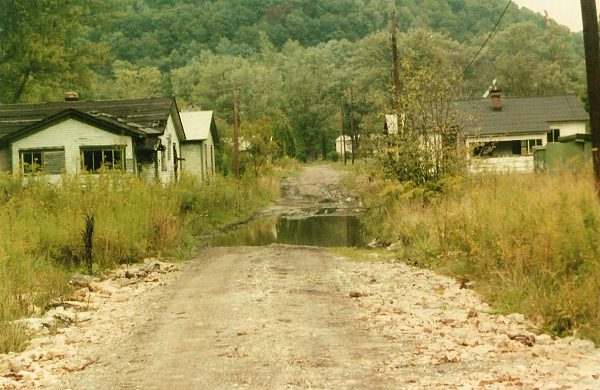
At this same time, 1988, the Tams coal camp was an abandoned ghost town. The last family to live in Tams, the Veenie family, moved out in the mid-1980s.(Photo courtesy of Mick Vest)


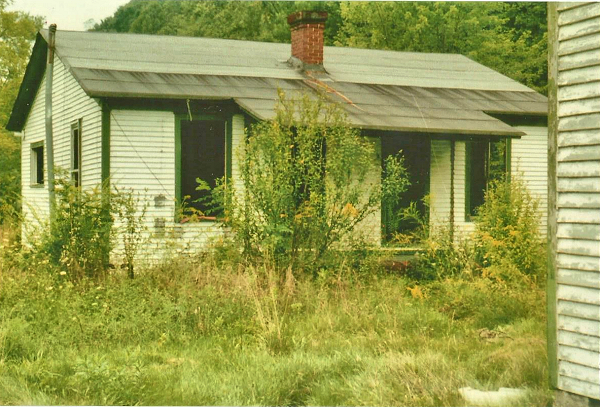
A typical abandoned coal camp house at Tams in September 1988. Mick V. writes, "Every house in Tams was painted white with green trim." (Photo courtesy of Mick Vest)

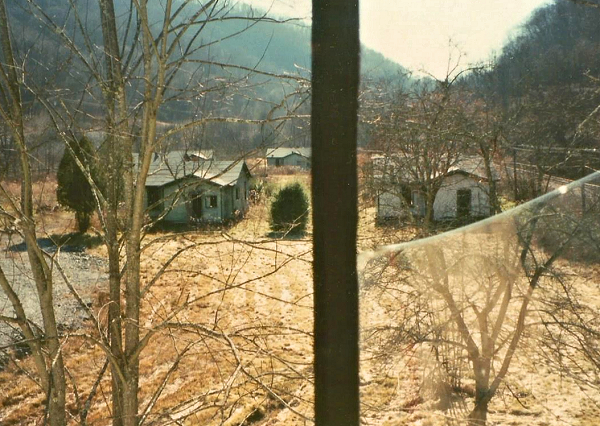
A few years later, in the early 1990s, Mick V. again visited Tams and found these decaying coal camp houses, as viewed from the back window of the Baptist church, to still be in existence. Within a decade even these last vestiges of Tams would vanish. (Photo courtesy of Mick Vest)


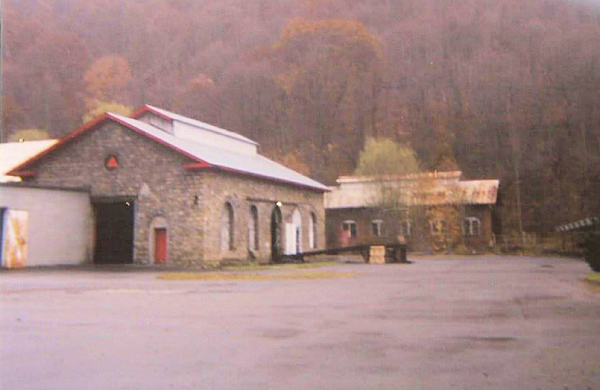
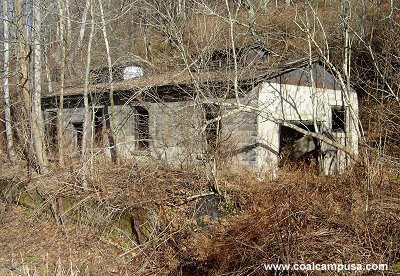
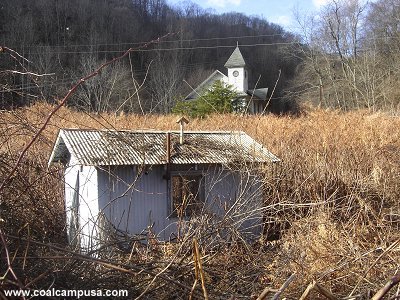
The machine shop and bath house are still in existance at Tams. (November 1997 photo)


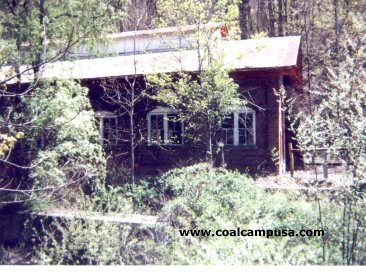
The Tams bathhouse (May 2001 photo)


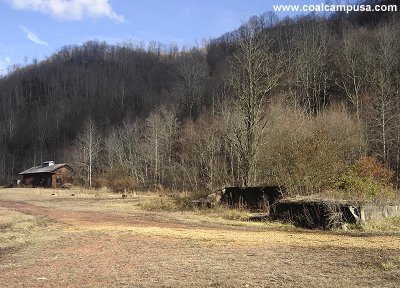
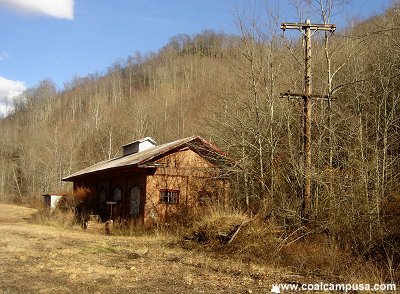
A lonely shop building and scattered foundations remain where the Tams tipple was once located. (December 2008 photo)


A closer look at the red brick shop building. (December 2008 photo)


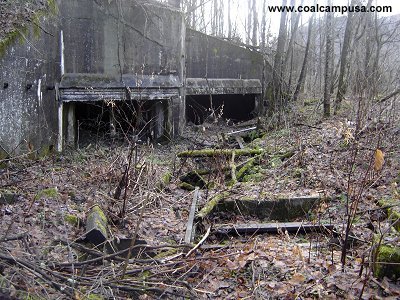
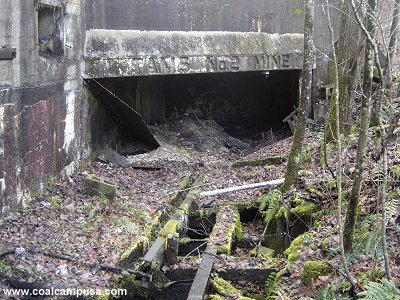
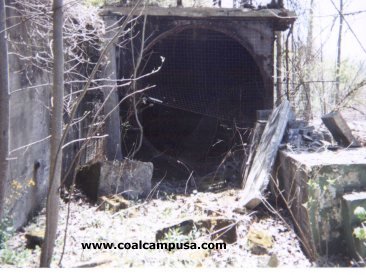
Twin portals of the Tams No. 2 mine. I'm guessing that the No. 2 mine at Tams was in the Pocahontas No. 3 seam, because this is approximately the elevation that Pocahontas 3 would occur along Winding Gulf Creek. So Tams No. 1 must have been in the higher Beckley seam. (December 2008 photo)


Detail of the inscription "Rams No. 2 Mine" in the lintel. (December 2008 photo)

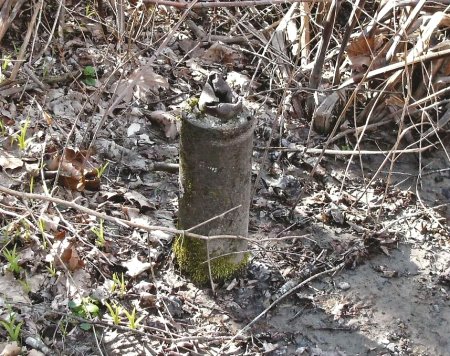
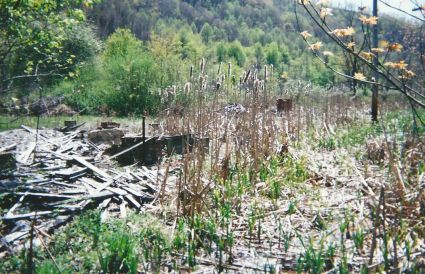
I have found the foundations for the refuse tramway at Tams. (May 2001 photo)


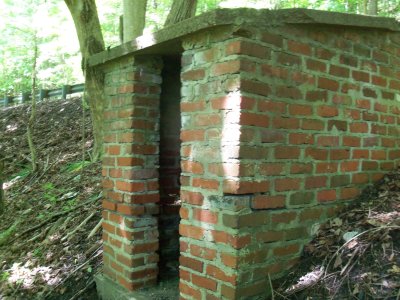
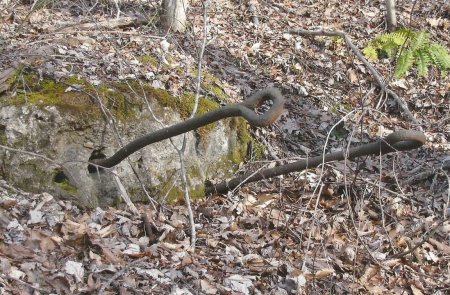
An old fan housing leading to an airshaft. (May 2001 photo)


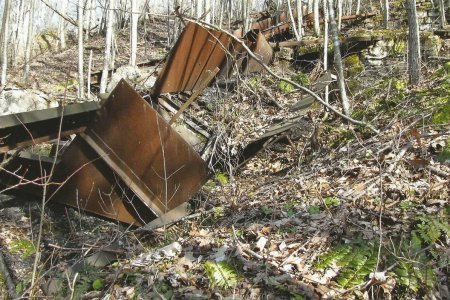
Another view of the fan. (December 2008 photo)


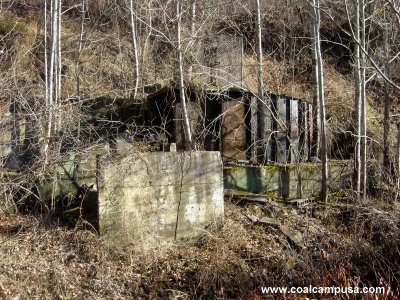
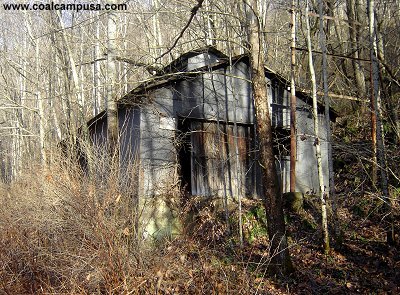
This block mine builiding is now engulfed in the woods. (December 2008 photo)


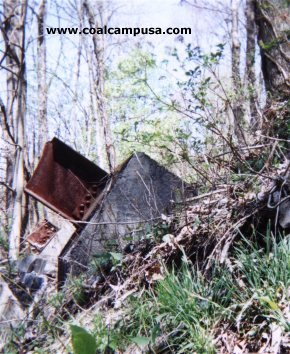
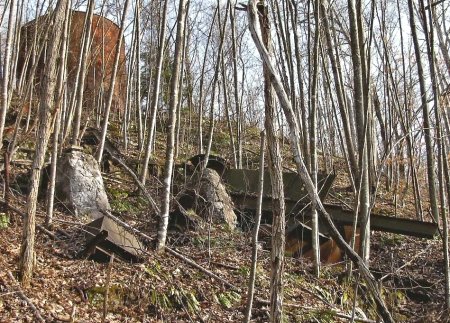
Another structure associated with the Tams mines is extant on the hillside. (December 2008 photo)


The upper (upstream) end of the camp was where the African-American population lived, as shown in this 1958 picture. These homes would be later demolished so that Slab Fork Coal Co. could build a preparation plant and complex for its No. 10 mine. Also a plant for processing a ground "Austin Black" coal powder was constructed as well. (Photo courtesy of www.byrnefamilyreunion.org)


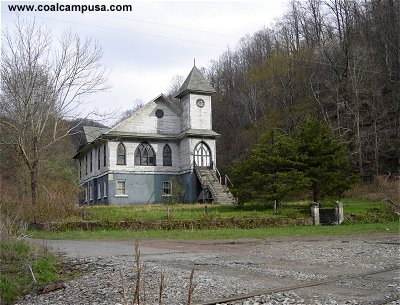
This African-American church, the New Salem Baptist Church, was still being occassionally used recently. In addition to the church services held here, the Byrd-Prillerman High School reunions were also held here in later years. Coal mining historian Mick V. tells me that the church is built on a Beaver Coal Company lease and if it is ever formally abandoned it will be torn down. I think this would be a terrible loss of a historic landmark. (October 1998 photo)


I found the New Salem Baptist Church to be still extant in 2007. (April 2007 photo)


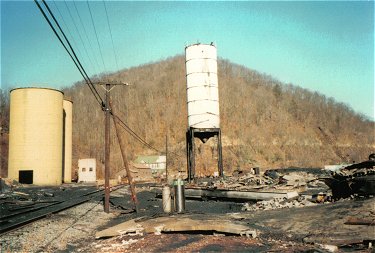
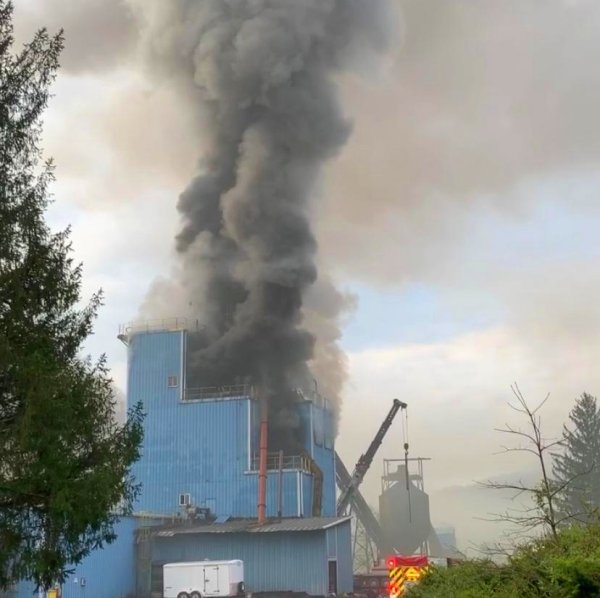
This photograph was taken during the demolition of the Slab Fork / Austin Black facility, a day before the silos and (sand?) bin came down. (Photo courtesy of Mick Vest)


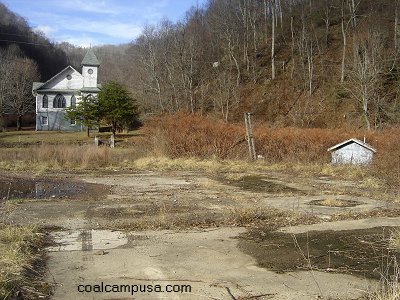
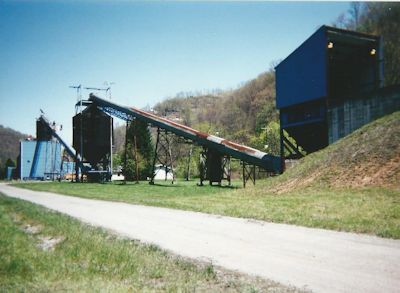
The small shed on the right and several concrete slabs remain from Slab Fork Coal Company's complex at Tams. (December 2008 photo)


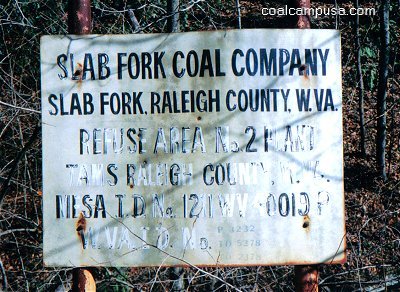
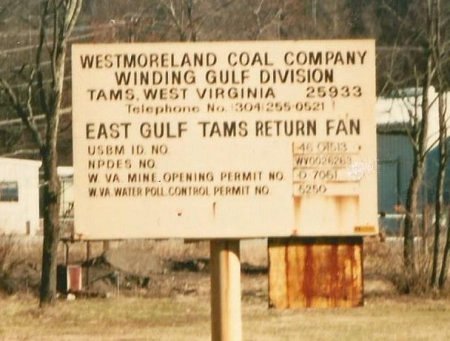
This sign is at the foot of the impoundment that is now the trailhead for the Burning Rock ATV trail system. (November 2002 photo)


In his book "Raleigh County" (1994) author/historian Jim Wood writes, "McAlpin, Stotesbury, and Tams today present a general appearance of abandonment and desolation, the few still standing company houses long unpainted, rubble and debris strewn about broken down mine buildings, concrete steps and walks leading into weeds and brush, rusting pipelines, a trash-littered creek, empty railroad tracks once lined with coal cars waiting shipment, lived-in houses with broken down cars and trucks out front, yards full of junk, decay everywhere.

Tams, as a mining community, no longer exists. Only a few of its buildings remain, abandoned, a machine shop without windows now, piles of warped lumber from demolished houses bleaching in the sun, piled up around foundations and chimneys, a hillside water tank, its paint badly peeled, water gushing down a rust-colored hillside from an abandoned drift mouth.

And the cottage home of bachelor coal baron W.P. Tams, who wrote so knowledgeably about the early coal mining days at Raleigh County, also has disappeared. He lived there for 68 years and long after he sold his operation in 1955. Gone too is his movie theatre, 'Golden Gate,' built in 1911 and reputed to have been one of the first theatres erected in the United States specifically for the showing of movies. He died in 1977 at the age of 93 and his executor was required to post a bond of $2,000,000 but the town that he built in 1909 where circuses liked to set up their tents is gone with the wind."


SOUTHERN WEST VIRGINIA COALFIELDS


APPALACHIAN COALFIELDS HOME

History of coal mining. History of West Virginia. History of Raleigh County West Virginia. History of Coal. Research history. History of Beckley WV. Pocahontas Coal Seam. Historic Pictures. Historic Photographs. Genealogy research. Historic books. Historic Maps. Bluefield History. Beckley history publications. History. Polish immigrants. Slovak immigrants. Italian immigrants. West Virginia immigrants. Appalachian music. Appalachian culture. Ghost towns pictures. Geneology. archaeology. Historic architecture. Historic buildings. Historic towns. Organized labor. Unions. United Mine workers. Archives.