
Thornhill, WV
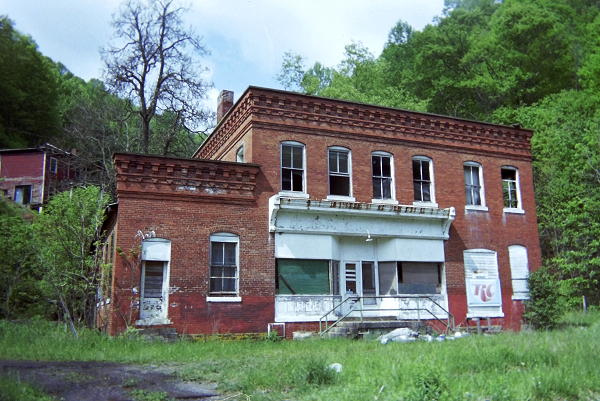
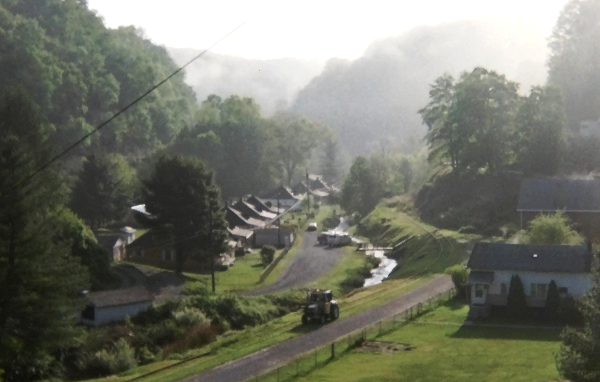
Kim writes, "I am looking for a place in WV that may not exist anymore called Thornhill, probably in Mercer Co. My aunt says it was a mining town. My great grandfather ran a store there and I want info but can't find any.
My observation is this. I saw your page on mountain accents. My parents are from WV and moved to northern Ohio for work where I was born. There they, and all the other WV transplants, were thought to be extremely southern. The Italians teased them to death about being hillbillies. Heck, we even made apple butter in caldrons in the yard in the middle of the city and used real lye soap to wash things. Now I live in Tennessee and have to hear discrimination about my yankee accent every day. When I first moved here I tried to tell people that I may have a yankee accent but was raised very Southern by my WV parents. They would go through the roof, saying WV people are more Yankee than anyone! (See Civil War, still alive here, for explanation!) That is, to Tennesseans, the greatest insult they can give. Seeing your page confirmed what I knew. My parents talked just like these Tennesseans. I can understand all these people here because I grew up eatin' bisquits and cornbread with buttermilk and worshin' up after!"
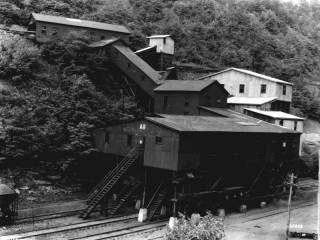
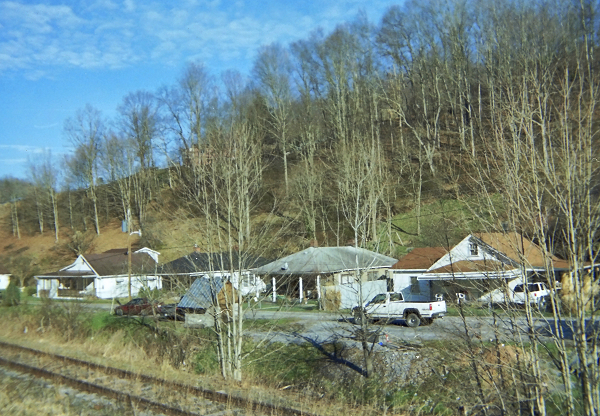
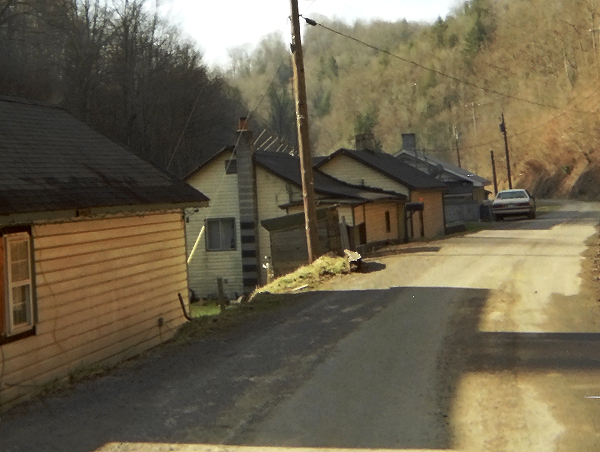
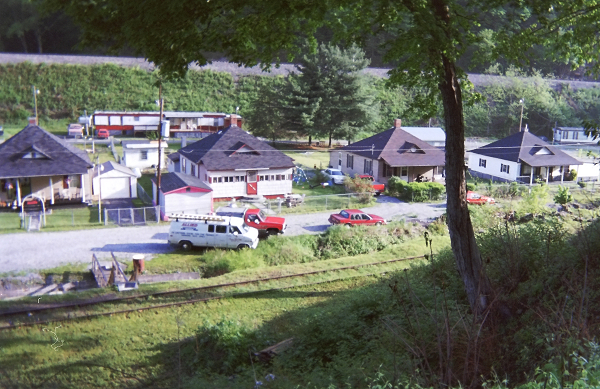
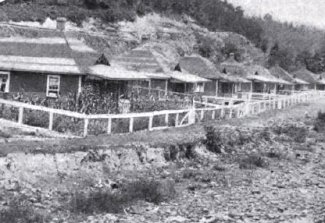
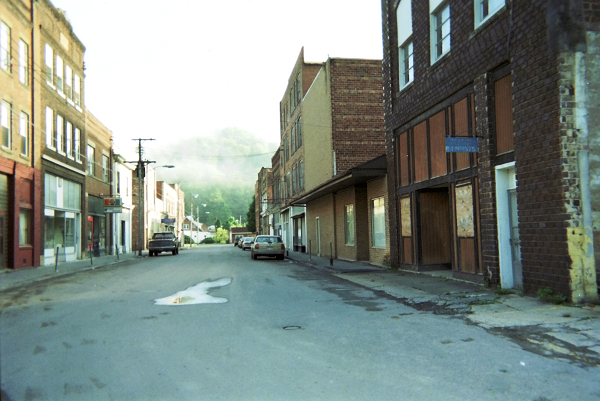
Joseph wrties, "I am a West Virginia native and found your website. I am very interested in the coal mine towns and railroad history there. I saw where a lady named Kim was looking for a place named Thorn Hill. I don't know if she has found it yet but I know exactly where it's at. I grew up just a few miles from there and it is just outside of Montcalm WV. When you get into Montcalm on Rt.71 you take a left up Crane Creek toward McComas. It's the next little stop in the road past the community of Crystal. My grandfather said there was a school, liquor store and a company store there at one time. Most of the company houses are gone now but when I was growing up most of them were still occupied. I was up there during Thanksgiving and was surprised how much it had changed since I left the area in 1986. I'm not sure which coal company was there in it's heyday but Consolidated Coal was just up the road in McComas and I Know there was a Crane Creek Coal Company also."
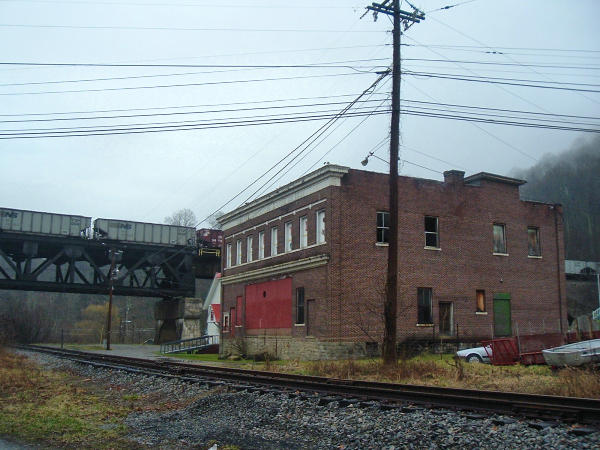
Dee writes, "I was researching the internet for some facts about the Battle of Blair Mountain and a friend of mine referred me to your site for pics of coal camps and mines. While there I discovered a comment from a lady named Kim. She is looking for a place in WV called Thornhill and was not for sure if the town still existed or not. I don't know how old that comment is but I wanted to let her know that the town does still exist and the store is still standing. It was a very small coal camp but the remnants are still there."